Multi-Axis Load Cell
Multi-Axis Load Cell for Robotics, Automation and Precision Testing
Saintbond multi-axis load cells are designed for projects that need force or torque measurement in more than one direction. They are suitable for robotic end-effectors, automotive component testing, electronics assembly, aerospace research, mold monitoring, new energy equipment and medical device force feedback. As a China manufacturer, Saintbond can support custom capacity, structure, cable, connector, mounting hole and output signal requirements according to drawings or application conditions.
Showing 1–16 of 71 results
-
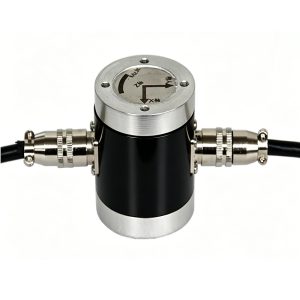
Advanced 4D Grip Force Transducer and Three Axis Load Cell Force Sensor for Robotic Hand Control, Contour Tracking, and Precision Assembly
Read more -
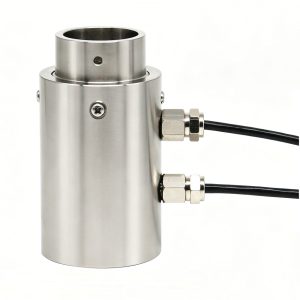
Advanced Aerospace-Grade Uniaxial Force Transducer with Embedded Signal Processing for Cooperative and Medical Robotics Applications
Read more -
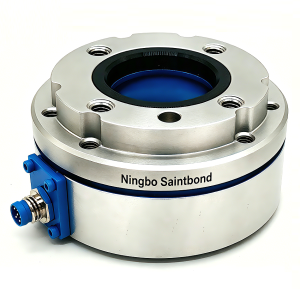
Advanced Six Axis Force Sensor – Aerospace-Grade 6 Axis Load Cells for Collaborative Robots, Medical Automation, and Precision Testing
Read more -
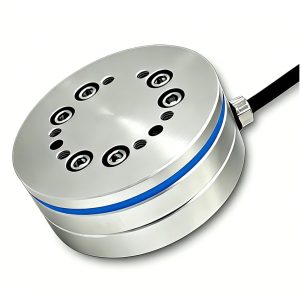
Advanced Six-Axis Force Sensor with Integrated Data Acquisition and Real-Time Decoupled Torque Output for Collaborative and Medical Robotics
Read more -
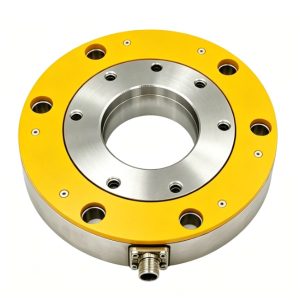
Aerospace-Grade Multi-Dimensional Load Cell Featuring Integrated Decoupling and High-Frequency Data Acquisition for Heavy-Duty Robotic Applications
Read more -
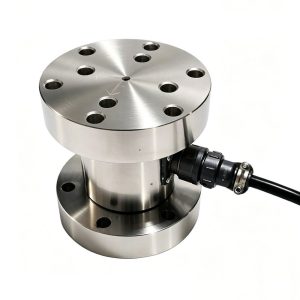
Alloy Steel 3D Force Torque Sensor and Three Axis Load Cell for Real-Time Static and Dynamic Multi-Directional Industrial Force Measurement
Read more -
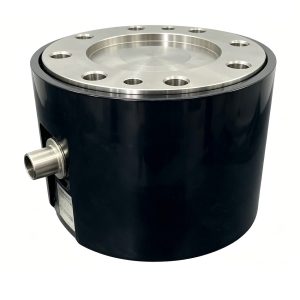
Alloy Steel Custom 3-Axis Load Cell and High Precision Triaxial Force Sensor with Customizable Measuring Range for Heavy Testing
Read more -
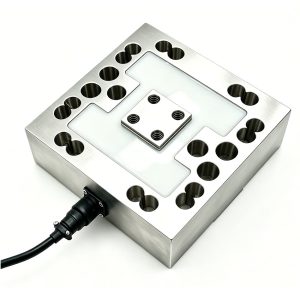
Alloy Steel Flat Heavy Duty Force Sensor and Low Profile Load Cells with 0.5T to 7T Capacity Matrix for Industrial Rig Testing
Read more -
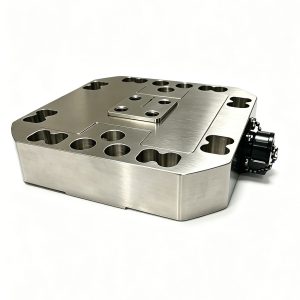
Alloy Steel Octagonal 3D Force Torque Sensor and Heavy Duty Load Cells with 0.5T to 5T Capacity Range for Industrial Automation
Read more -
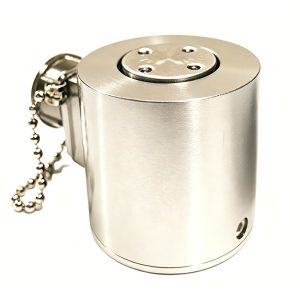
Aluminum Alloy 3-Axis Load Cell – Cylindrical Compact Sensor for Multi-Axis Force Measurement 5kg-500kg Capacity
Read more -
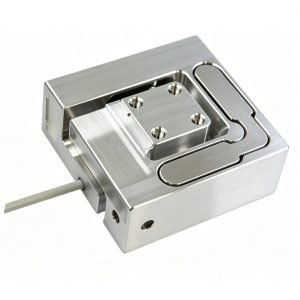
Aluminum Alloy Miniature 3 Axis Load Cell and Three-Axis Torque Sensor with 2N to 50N Micro Range for Precision Haptic Testing
Read more -
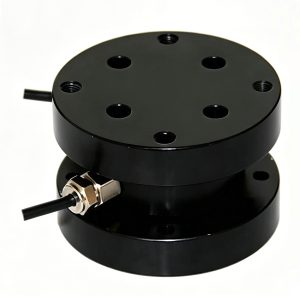
Compact 2-Axis Force Sensor and Two Axis Transducer Load Cell for Robotic Grinding, Polishing, UAV Systems, and Automated Parts Manufacturing
Read more -
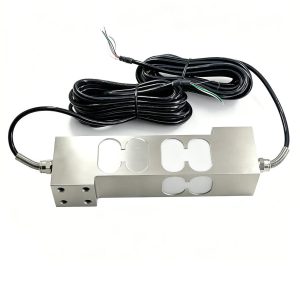
Customizable OEM 2 Axis Load Cell and Two-Axis Force Transducer Featuring Cantilever Elastomer Design for Industrial Automation Force Measurement
Read more -
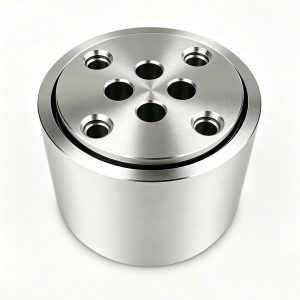
Cylindrical Multiaxis Load Cell and Decoupled 3-Component Sensor for Machining Centers and Robotic Automation
Read more -
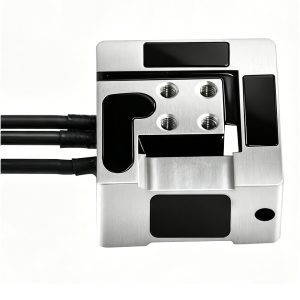
Durable Aluminum Alloy 3-Axis Force Load Cell and Multi-Axis Torque Sensors for Intelligent Robotic Manufacturing and Process Stress Analysis
Read more -
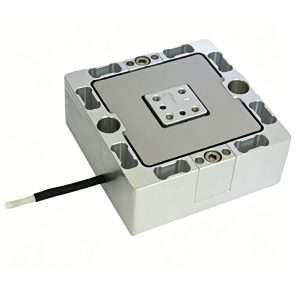
Flat Square Load Cell and Low Profile Force Sensor 3 Axis with 10N-500N Capacity Range for Precision Multidirectional Measurement
Read more
Multi-Axis Load Cell Overview
A Multi-Axis Load Cell measures force, torque or combined loads from multiple directions within one sensor structure. This category includes single-axis, 2-axis, four-axis, triaxial and six-axis load cell options for equipment that cannot rely on one-direction force measurement alone. Typical buyers include robot integrators, automotive test equipment builders, electronics assembly lines, aerospace laboratories, material testing teams and OEM machinery manufacturers. When selecting a multi-axis sensor, buyers should confirm the number of measurement axes, load range, mounting direction, allowable space, signal output, cable routing and calibration needs. For custom projects, drawings and working conditions help define whether the sensor should be compact, flange-mounted, cylindrical, low-profile or application-specific.
How to Select a Multi-Axis Load Cell
Axis configuration
Confirm whether the project requires single-axis, 2-axis, four-axis, triaxial or six-axis force measurement before selecting the sensor structure.
Capacity and load direction
Define the maximum force or torque in each direction, including vertical load, side load, bending load and safety margin.
Mounting structure
Check bolt pattern, flange size, installation space, loading surface and cable outlet direction before quotation.
Output signal
Confirm whether the control system requires mV/V, amplified analog output or another signal interface for data acquisition.
Application environment
Share working temperature, vibration, overload risk, moisture exposure and installation conditions for better sensor matching.
Custom drawing review
Provide drawings, 3D files or equipment photos when the load cell must fit a special fixture, robot wrist or testing platform.
Industrial Applications for Multi-Axis Force Measurement
Industrial and collaborative robots
Used for robotic wrist force sensing, flexible gripping, assembly alignment, collision detection and curved surface following.
Automotive component testing
Supports chassis bushing tests, shock absorber load measurement, seat pressure research, steering force and hinge force testing.
Electronics precision assembly
Measures multi-direction pressing, insertion, side force and micro-component assembly force in phones, connectors and camera modules.
Aerospace and research testing
Used for structural load experiments, landing gear testing, wind tunnel force measurement and satellite component assembly.
Mold, stamping and smart manufacturing
Monitors vertical force, side force and eccentric loading to help reduce fixture or mold damage during production.
Medical and bionic equipment
Supports rehabilitation robot sensing, prosthetic force feedback, surgical tool force monitoring and medical material testing.
OEM/ODM Custom Options for Multi-Axis Load Cells
Capacity range
Custom force or torque capacity can be reviewed according to working load, overload margin and measurement direction.
Sensor dimensions
Outer diameter, height, flange shape, low-profile structure or compact housing can be adjusted for equipment installation.
Mounting holes
Bolt pattern, center hole, threaded hole and loading surface design can be customized according to drawings.
Cable and connector
Cable length, outlet direction, shielding, connector type and wiring method can be matched to the control system.
Output signal
Signal output can be selected according to data acquisition equipment, controller requirements and measurement accuracy needs.
Material selection
Stainless steel, alloy steel or aluminum structures can be considered based on strength, weight and application environment.
Quality, Calibration and Testing for Multi-Axis Load Cells
Material inspection
Sensor material and machined parts are checked before assembly to support structural consistency.
Load testing
Each sensor can be tested under defined load conditions to verify response and mechanical stability.
Accuracy verification
Measurement output is reviewed against calibration requirements for the intended axis configuration.
Signal stability check
Wiring, output response and signal repeatability are checked before shipment.
Calibration support
Calibration can be arranged according to measurement direction, capacity range and project requirements.
Shipment inspection
Appearance, cable, connector, packaging and label information are checked before delivery.
Related Product Categories
Buyer Questions Before Quotation
What information is needed before quoting a Multi-Axis Load Cell?
Please provide axis number, capacity range, load direction, installation drawing, output signal, cable direction, quantity and application conditions.
Can Saintbond customize a Multi-Axis Load Cell from drawings?
Yes, custom structure, mounting holes, cable outlet, connector and capacity range can be reviewed according to your drawing or equipment layout.
Which industries commonly use Multi-Axis Load Cells?
They are used in robotics, automotive testing, electronics assembly, aerospace research, material testing, stamping equipment, new energy systems and medical devices.
How do I choose between 2-axis, four-axis, triaxial and six-axis sensors?
The choice depends on how many directions of force or torque your equipment needs to measure during operation or testing.
Can the output signal match my data acquisition system?
Output requirements should be confirmed before production, including signal type, wiring method and controller or acquisition module compatibility.
Is calibration available for multiple axes?
Calibration can be arranged based on the required axis configuration, capacity range and measurement direction.
Can this category support OEM equipment manufacturers?
Yes, Saintbond can support OEM projects that require custom dimensions, mounting structure, wiring and application-specific force measurement.
What affects lead time for a custom Multi-Axis Load Cell?
Lead time depends on drawing complexity, capacity range, material, machining requirements, calibration needs and order quantity.
 English
 Arabic
 Russian
 Portuguese
 Spanish
 Japanese
 German